
Signs Your Window Is Increasing Your Heating Bills
Roof Right: Exterior Home Remodeling Specialists in Maryland Contact UsSchedule A Free EstimateWindows may seem like simple features in your Maryland home, but they play a major role in your energy use and heating bills. According to the U.S. Department of Energy, heat gain and heat loss through windows can account for 25 to 30 percent of residential heating and cooling energy use. When your windows are outdated, poorly sealed, or not built for energy efficiency, your heating system has to work harder to keep your home warm, and that drives up your energy costs. At Roof Right, based in Hampstead, Maryland, we often see how inefficient windows contribute to higher heating bills, uncomfortable rooms, and persistent drafts. In this article, we’ll walk through the common signs that your windows may be increasing your heating bills, why these issues matter in Maryland’s climate, and what you can do about them.
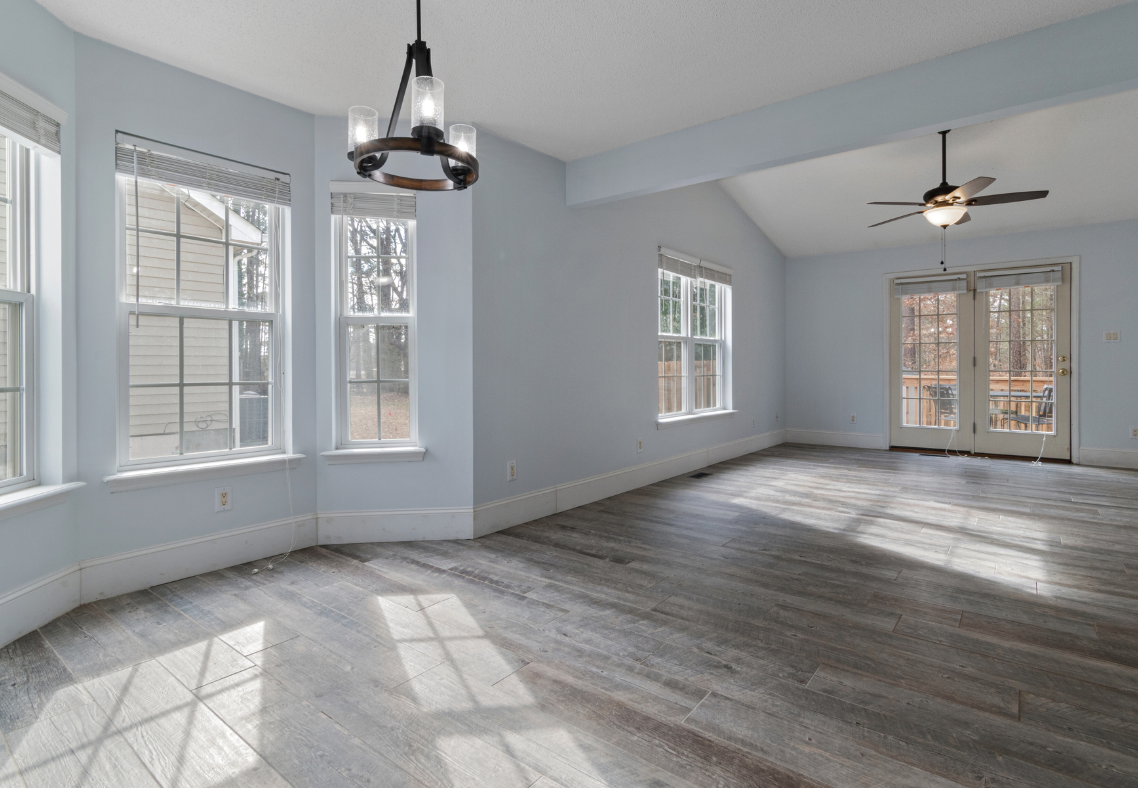
Answering The Question: What Are The Signs Your Window Is Increasing Your Heating Bills
Why Windows Matter For Heating Efficiency In Maryland
Maryland winters bring cold temperatures that challenge your home’s insulation. In addition to roof insulation and wall insulation, windows are one of the most critical components of your home’s thermal envelope. Since windows allow heat transfer from inside to outside, inefficient or aging windows can let warm air escape and cold air enter. This forces your heating system to run longer and consume more energy just to maintain a comfortable indoor temperature. Drafts, gaps around frames, and failed seals are common contributors to heat loss that often go unnoticed until the energy bill arrives.
Signs Your Windows Are Increasing Your Heating Bills
Here are the key warning signs that your windows may be costing you money in heating costs:
Persistent Drafts Or Cold Air Near Windows
One of the most obvious signs of inefficient windows is the feeling of cold air creeping in even when windows are fully closed. Drafts indicate gaps or air leaks around the window frames or between panes, allowing heated interior air to escape and cold outside air to enter. These leaks make your HVAC system work harder throughout the colder months. Feeling a breeze near a window on a cold day or noticing room temperatures that fluctuate near windows are clear indicators.
Higher Energy Bills Without Lifestyle Changes
If your heating bills in Maryland are rising even though your thermostat routines and home usage have stayed the same, your windows might be part of the problem. Inefficient windows let heat escape, which forces your heating system to make up the difference. When your energy bill rises without a clear cause, drafty or poorly insulated windows should be one of the first things you check.
Rooms That Feel Colder Near Windows
Cold spots in rooms, especially near windows, show where heat is escaping. You may notice that rooms with older windows never feel as warm as other areas of your home, even after your system has been running for a long time. Poor insulation and low-performance glass contribute to uneven indoor temperatures and can make heating costs climb.
Condensation Between Glass Panes
When warm, moist indoor air meets cold window surfaces, condensation can form. But if you see condensation between the panes of your double or triple-pane windows, that usually means the seal has failed and air and moisture are leaking into the space between the glass. Once the seal fails, the insulating ability of the window drops significantly, and heat loss increases. This commonly leads to higher heating costs and often means that simple repair won’t restore energy efficiency.
Window Frames That Are Damaged Or Deteriorating
Windows with rotting wood frames, warped frames, damaged seals, or corroded metal parts are not able to provide a tight weatherproof barrier. These gaps allow warm air to escape and cold air to enter. Visible damage around the frame or sash often means the window is no longer performing as it should. In Maryland’s climate, where humidity and temperature changes are frequent, deteriorating frames accelerate energy losses.
Old Single-Pane Windows Or Outdated Glazing
Older windows that use single pane glass or lack modern insulating technology simply cannot keep heat inside your home the way energy-efficient windows can. Modern double-pane or triple-pane windows with insulated glazing, low-emissivity (Low-E) coatings, and argon gas fill perform far better in reducing heat transfer and improving comfort. Upgrading from older windows can significantly reduce heat loss and lower energy bills.
Why Addressing Window Efficiency Matters In Maryland
In Maryland, winter heating bills can be a noticeable portion of your household budget. When windows allow warm air to escape or cold air to enter, your furnace or heat pump must run longer and consume more energy to maintain a stable indoor temperature. Making your home more energy efficient by improving windows can reduce heating costs and improve comfort. Better sealed and more efficient windows also help reduce drafts, prevent condensation problems, and make indoor temperatures more consistent. With tax credits, rebates, and energy-saving programs available in Maryland, upgrading to energy-efficient windows can be both a smart financial and comfort-based decision.
What You Can Do About Inefficient Windows
Check And Seal Gaps
If you notice drafts, try adding or replacing weather-stripping around the window frames and using caulk to seal any obvious gaps. This can help reduce air leakage and may provide short-term relief while you consider longer-term solutions.
Consider Storm Windows Or Secondary Glazing
Storm windows or interior insulation panels can add a layer of protection and reduce heat transfer. They are often more cost-effective than full replacement in the short term, but they may not achieve the same performance as modern energy-efficient windows.
Upgrade To Modern Energy-Efficient Windows
When your windows show multiple signs of inefficiency such as drafts, failed seals, and rising heating bills, replacement with energy-efficient models is often the best long-term solution. Energy-efficient windows with double or triple panes, insulated frames, and Low-E glass significantly reduce heat loss and improve comfort. Over time the savings on energy bills can help offset the installation costs.
Choosing The Right Windows For Maryland Homes
Maryland’s climate, with its mix of cold winters and warm humid summers, requires windows that provide year-round performance. Look for windows with ENERGY STAR ratings designed for your region, which means they are optimized to minimize heat loss in winter and heat gain in summer. Proper installation is also crucial. Even the best windows will perform poorly if they are installed incorrectly or without proper sealing and insulation around the frame. Professional window installation ensures a tight fit and maximum energy performance that local Maryland contractors understand well.
Contact Roof Right For Energy Efficient Window Installations In Maryland
If you are a Maryland homeowner and your heating bills seem higher than they should be, contact Roof Right today to schedule an assessment of your windows and home energy performance. We can help you identify signs of heat loss, recommend energy-efficient window options, and provide professional installation that fits your needs and budget. Our team will ensure your new windows are properly sealed and installed so you enjoy greater comfort and lower energy costs throughout the seasons. Don’t wait until cold drafts and escalating heating bills become a bigger issue. Reach out to Roof Right now to discuss how energy-efficient window replacements can improve your Maryland home’s comfort and efficiency, and get started on upgrading your windows with confidence. We are here to help you make smart choices that keep your home warm in winter and reduce unnecessary energy consumption.
Areas We Serve
If you're looking for a roof contractor in Maryland, give Roof Right a call today at (410)-374-5923 to schedule an appointment!
Carroll County
Howard County
Clarksville, Columbia, Elkridge, Ellicott City, Fulton, Jessup, Laurel, Woodstock
Montgomery County
Baltimore County
Baldwin, Bradshaw, Carney, Cockeysville, Glen Arm, Hunt Valley, Jacksonville, Kingsville, Lutherville, Nottingham, Overlea, Owings Mills, Parkton, Parkville, Perry Hall, Phoenix, Pikesville, Reisterstown, Sparks, Timonium, Towson, White Marsh