
Signs Your Front Door Is Increasing Your Heating Bills
Roof Right: Exterior Home Remodeling Specialists in Maryland Contact UsSchedule A Free EstimateIf you live in Maryland and your heating bills have been climbing, one often-overlooked culprit may be your front door. A poorly sealed or poorly insulated front door can let warm air escape and cold air seep in. Over time the extra load on your HVAC system drives up heating costs and can decrease indoor comfort. At Roof Right, based in Hampstead, MD, we believe Maryland homeowners should be aware of the signs that a front door may be costing them money. In this article we’ll explore the most common indicators that your front door is increasing your heating bills, why they matter in Maryland’s climate, and when replacement makes more sense than repeated fixes.
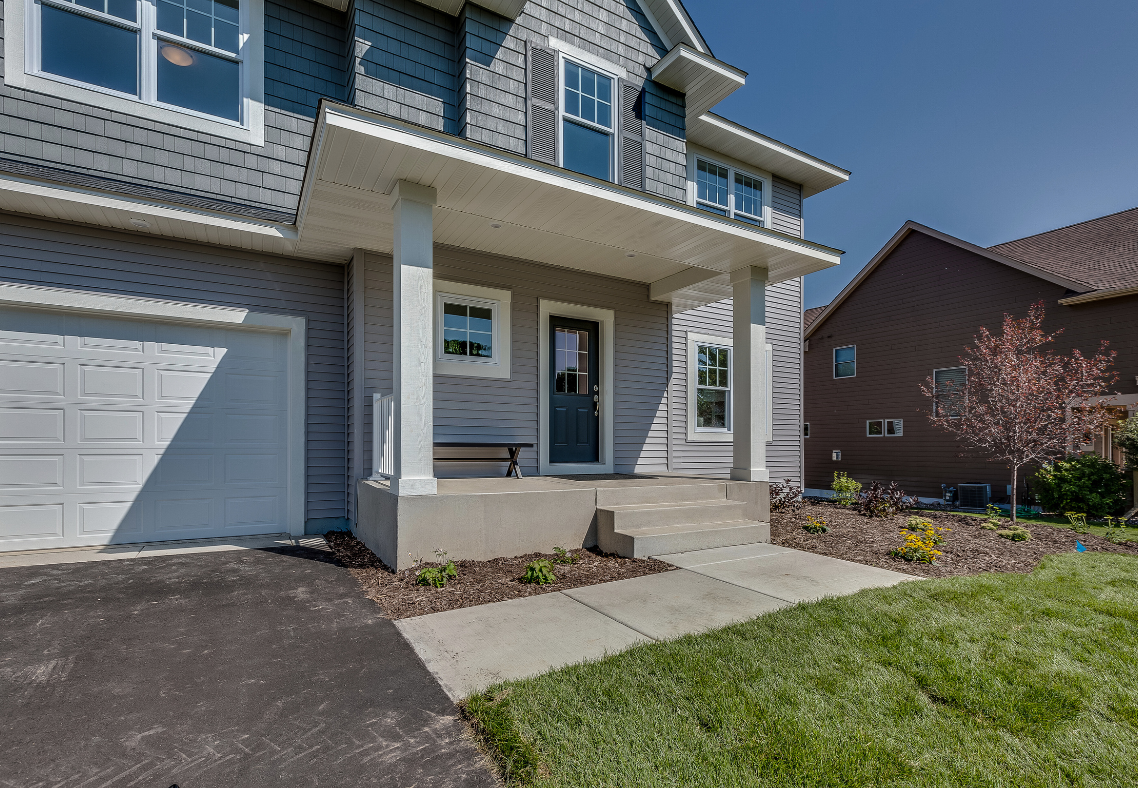
Signs Your Front Door Is Increasing Your Heating Bills: A Guide For Maryland Homeowners
Why Front Doors Matter For Energy Efficiency
Your front door is one of the first lines of defense between your home’s interior and the outside world. When it is properly sealed, insulated, and fitted, it helps contain the heat during winter and keeps cool air inside during summer. A high-quality exterior door can significantly reduce heat loss through infiltration or conduction. According to energy-efficiency guidance, modern exterior doors often fit and insulate better than older doors, and upgrading inefficient doors can lower heating and cooling costs. Poor sealing, outdated materials, degraded weather-stripping, and gaps around the frame all lead to air leakage. Once air begins to escape or seep in around a door, your heating system must work harder to maintain a comfortable temperature. That leads to higher energy bills and uneven indoor warmth — problems many homeowners in Maryland confront each winter.
Common Signs That Your Front Door Is Driving Up Heating Bills
Persistent drafts or cold spots near the entryway
If you feel a cold breeze around your front door even when it’s closed, that likely indicates air leakage. Gaps along the door frame or under the threshold allow outdoor air to enter and indoor air to escape. These leaks compromise the thermal envelope of your home and force your heating system to run more often. Many homeowners first notice this as a drafty entryway or a sudden chill near the door during cold winter nights. If resealing with weather-stripping or installing a door sweep does not solve the issue, it often means the door itself is no longer sealing properly.
Rising energy bills without a change in usage
If your monthly heating costs increase even though your thermostat settings and usage have not changed, a leaking front door could be responsible. Heat loss through doors and windows can account for a significant portion of a home’s heating burden. Experts at a major door manufacturer note that air leaks around a front door may be responsible for up to 20 percent of a household’s overall heat loss. Especially in Maryland, where winters can be cold and heating runs frequently, even small leaks add up over time. If your HVAC system runs excessively or seems unable to keep the entryway or rooms near the door warm, look closely at your door’s condition.
Worn or deteriorated seals, weather-stripping, or threshold
Outdoor exposure, temperature swings, and humidity fluctuations damage door seals. Over time the weather-stripping may crack, flatten, or pull away. The threshold might warp or shrink, creating gaps between the bottom of the door and the floor. Once sealing fails, the door becomes a major source of heat loss. If you see daylight around your closed door frame, or you can feel airflow when the door is shut, those are clear warning signs. While weather-stripping replacement or adding a door sweep can sometimes improve performance, persistent or worsening problems often mean the door no longer provides effective insulation.
Poor door insulation, thin materials or single-pane glass
The material and construction of your front door play a large role in its energy performance. Older doors often use wood or hollow-core construction with very little insulation. Doors with large glass panels or single-pane glazing can lose heat rapidly through conduction. The result is that even when sealed, the door itself leaks warmth. Modern insulated doors offer higher R-values and better resistance to heat loss. Upgrading to those can reduce the thermal loss through your front entry and increase overall comfort.
Difficulty locking or closing, warping or frame issues
If your front door frame has warped or settled, the door may no longer fit snugly. That can create hidden gaps around the perimeter, which allow air leakage even if weather-stripping seems intact. Doors that stick, fail to latch tightly, or require force to close properly may signal underlying structural issues that compromise insulation. Over time, repeated use amplifies these issues, and the door becomes a source of heat loss rather than security.
Moisture infiltration or condensation problems
Especially in Maryland’s climate, moisture intrusion can accelerate deterioration of seals, frames, or thresholds. If rain or humidity enters the door frame or causes condensation inside, over time that can degrade materials, warp wood, and worsen insulation gaps. Even minor moisture issues contribute to heat loss and can eventually lead to more significant structural problems. Combining poor insulation with moisture exposure results in ongoing inefficiency and growing heating bills.
Why Maryland Climate Makes Front Door Performance Extra Important
Maryland sees a full range of weather through the year: humid summers, cold winters, periods of heavy rain, and occasional storms. That means the exterior of your home is frequently exposed to temperature swings, moisture and wind. Doors that were once properly sealed or insulated can degrade faster under these conditions. A poorly insulated or drafty front door represents not only lost heat, but also potential dampness, moisture intrusion, or discomfort during winters and humid transitions. Over time the extra strain on the heating system makes inefficient doors a costly liability for homeowners. Because heating and cooling account for a large portion of home energy costs, investing in a properly sealed, insulated, and well-fitted front door is one of the most effective ways to maintain efficiency and comfort in Maryland.
When To Repair Vs When To Replace
For small issues like worn weather-stripping, a draft stopper, or a slightly misaligned door, simple repairs can improve performance. Adding or replacing weather-stripping, installing a door sweep, sealing gaps, or adjusting the threshold can sometimes restore efficiency. However, if your door suffers from structural problems such as warped frames, poor insulation, seal failure around glass, persistent drafts or moisture intrusion, repairs are usually temporary and may not address the root cause. In such cases a full replacement with a modern, energy-efficient door is often a wiser choice. Modern exterior doors designed for energy efficiency maintain better indoor temperatures, relieve stress on HVAC equipment, prevent water or air infiltration, and can significantly reduce overall heating bills. For Maryland homeowners planning upgrades or maintaining older homes, a door replacement may pay for itself in comfort, efficiency, and long-term savings.
Contact Roof Right For Front Door Replacements In Maryland
If you live in Maryland and suspect your front door is contributing to high heating bills, contact Roof Right today for a full inspection and energy-efficiency assessment. We can examine your door’s insulation, sealing, frame alignment, and suitability for Maryland’s climate. We will help you choose a modern, energy-efficient front door that seals properly, insulates well, and reduces heat loss. Our team will provide a clear estimate, professional installation, and help you enjoy a warmer, more comfortable, and energy-efficient home. Don’t let outdated or drafty doors quietly drive up your energy bills, reach out to Roof Right now to schedule your consultation and take the first step toward lower heating costs and improved home comfort.
Areas We Serve
If you're looking for a roof contractor in Maryland, give Roof Right a call today at (410)-374-5923 to schedule an appointment!
Carroll County
Howard County
Clarksville, Columbia, Elkridge, Ellicott City, Fulton, Jessup, Laurel, Woodstock
Montgomery County
Baltimore County
Baldwin, Bradshaw, Carney, Cockeysville, Glen Arm, Hunt Valley, Jacksonville, Kingsville, Lutherville, Nottingham, Overlea, Owings Mills, Parkton, Parkville, Perry Hall, Phoenix, Pikesville, Reisterstown, Sparks, Timonium, Towson, White Marsh