
Signs You Need A Roof Repair For Snow Damage In Maryland
Roof Right: Exterior Home Remodeling Specialists in Maryland Contact UsSchedule A Free EstimateWhen heavy snow blankets your Maryland home, it can be beautiful to look at, but it also poses real risks to your roof. Snow and ice accumulation create stress on roofing materials, and the melt-and-freeze cycle can cause hidden damage that gets worse over time. As a homeowner in Maryland you should know the key signs that your roof may have sustained snow damage and needs professional attention. Recognizing these signs early can help you avoid costly water intrusion, structural issues, and interior damage. At Roof Right, serving Maryland homeowners from Hampstead and beyond, we’re here to help you understand what to look for after snowy weather.
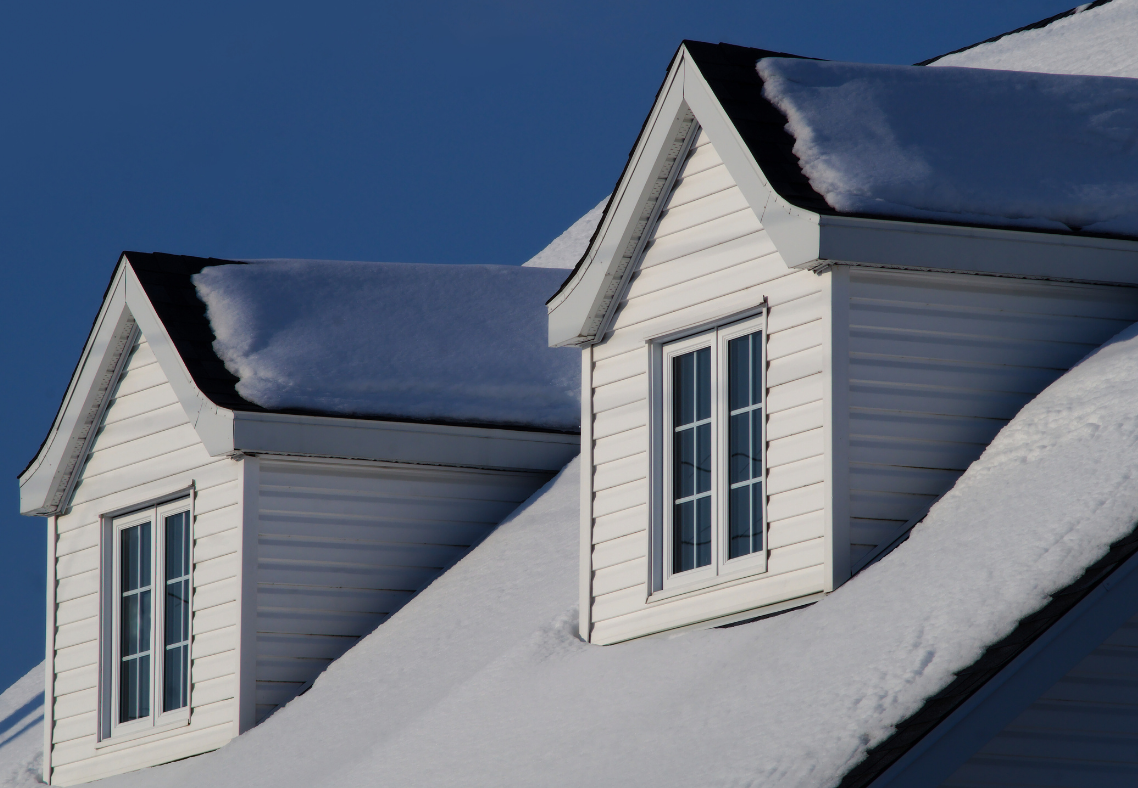
Answering The Question: What Are The Signs You Need A Roof Repair For Snow Damage In Maryland
How Snow Affects Roofs In Maryland
Maryland’s climate includes cold winters with snow, ice, and frequent temperature swings. Accumulated snow adds significant weight to your roof, especially when it is wet or when it builds up over multiple snowstorms that don’t fully melt between events. This extra weight puts pressure on roofing materials and the underlying structure, and can lead to sagging or accelerated wear. When snow melts and refreezes near the roof’s edge it can form ice dams that trap water at the eaves, allowing moisture to seep under shingles, which leads to leaks and interior damage. These effects are compounded by Maryland’s freeze-thaw cycles and the presence of humidity that keeps moisture in contact with roofing surfaces longer than in drier climates.
Signs You Need A Roof Repair For Snow Damage
Here are the most common signs that snow or ice has compromised your roof’s integrity and that you should consider calling a professional roofing contractor for repair:
- Water stains or discoloration on interior ceilings or walls: One of the clearest indicators of snow-related roof damage is water stains on your ceiling or upper walls. When ice dams or snow melt find a way under roofing materials, water can leak into your home and leave brownish or yellowish stains on interior surfaces. It is important to address these leaks quickly because moisture can lead to mold, rot, and damage to insulation and structural components.
- Missing, cracked, buckled or curled shingles: Heavy snow and wind that often accompany winter storms can dislodge, crack, or distort shingles. When you spot shingles that are visibly curling at the edges, buckling, or missing entirely, that means your roof’s protective layer has been compromised and needs repair. These defects allow water to penetrate the underlayment and decking below the shingles.
- Large icicles or ice dams along the eaves: While icicles might appear decorative, significant ice buildup at your roof’s edge can be a sign of ice dam formation. Ice dams trap melting snow at the roofline and prevent proper drainage, forcing water back under shingles and into your home. If you notice thick, heavy icicles hanging from your eaves or variation in snow melting patterns, it is wise to have your roof evaluated for damage.
- Sagging rooflines or visible dips in the roof surface: If the snow load has been excessive or if the roof structure was already compromised, you may notice a bowing or sag downward in certain sections of the roof. A sagging roofline is a serious structural concern and indicates that the roof decking or support structure may be stressed or weakened.
- Clogged, detached or damaged gutters and downspouts: Snow and ice can weigh down gutters, pulling them away from the roofline or causing them to bend. If snow melts and refreezes along gutter edges, the resulting blockages prevent proper drainage and can back water up under the roofing materials. After a snowstorm, check for gutters that are sagging, pulling away, or filled with ice and debris.
- Evidence of moisture or mold in the attic: Sometimes roof damage does not show up on the ceiling right away. Checking your attic for wet insulation, dark spots, or a musty smell can reveal leaks that have not yet broken through to living spaces. Moisture in the attic is a clear sign that snow melt or ice dams are allowing water into the structure of your roof.
- Visible debris or damage on the roof surface: Branches or heavy debris that fall during a winter storm can puncture roofing materials or damage flashing and seals around vents and chimneys. After the snow melts, use binoculars to inspect the roof from the ground for any broken shingles, displaced flashing, or debris that could lead to leaks.
Why Timely Repairs Are Crucial
Even small damage can worsen quickly once snow has melted. Water that enters small cracks or gaps will continue to expand and contract with temperature changes, widening the openings and causing more extensive leaks. A minor shingle problem that might have cost a few hundred dollars to fix can escalate into rotted decking, insulation damage, or even structural issues that cost thousands if neglected. Scheduling repairs promptly after a snowstorm helps protect your home’s interior, maintain energy efficiency, and extend the life of your roofing system in Maryland’s varied climate.
How To Assess Snow Damage Safely
Homeowners can start with a simple visual inspection from a safe distance on the ground. Look for missing shingles, ice buildup, sagging sections, and gutter problems. Use binoculars if necessary, but avoid climbing onto a snow-covered roof, as icy conditions make this dangerous. Check inside your attic with a flashlight for signs of moisture, stains, or sagging roof boards. If you suspect any damage, or if you see signs like those outlined above, contacting a professional roofing contractor ensures a thorough and safe evaluation.
Preventing Future Snow Damage
Preventive measures can reduce the risk of snow damage in the first place. Good attic insulation and ventilation help minimize ice dams by keeping your roof closer to a consistent temperature, which reduces melting and refreezing at the eaves. Clearing debris from gutters and trimming overhanging tree limbs before winter arrives helps ensure water drains properly and prevents additional strain from falling branches. Regular roof inspections in the fall can catch minor issues before snow arrives and make your home more resilient to winter weather.
Contact Roof Right For A Roof Repair For Snow Damage In Maryland
If you live in Maryland and have experienced a significant snowfall or winter storm, contact Roof Right to schedule a professional roof inspection and repair estimate. Our experienced team will assess your roof thoroughly for snow and ice damage, check for missing or damaged shingles, evaluate gutters and flashing, and identify any signs of leaks or structural stress. We will explain what we find in clear terms and recommend the most effective repair plan for your home. Don’t wait until a small problem turns into a major repair bill or interior damage. Reach out to Roof Right today and let us help protect your Maryland home with reliable roof repairs that stand up to winter weather. Contact us today to arrange your assessment and take the first step toward a stronger, safer roof for your home. Whether you have visible damage after a storm or just want peace of mind, we’re here to help you stay protected throughout the winter season.
Areas We Serve
If you're looking for a roof contractor in Maryland, give Roof Right a call today at (410)-374-5923 to schedule an appointment!
Carroll County
Howard County
Clarksville, Columbia, Elkridge, Ellicott City, Fulton, Jessup, Laurel, Woodstock
Montgomery County
Baltimore County
Baldwin, Bradshaw, Carney, Cockeysville, Glen Arm, Hunt Valley, Jacksonville, Kingsville, Lutherville, Nottingham, Overlea, Owings Mills, Parkton, Parkville, Perry Hall, Phoenix, Pikesville, Reisterstown, Sparks, Timonium, Towson, White Marsh