
Should I Get A Roof Inspection After A Snowstorm
Roof Right: Exterior Home Remodeling Specialists in Maryland Contact UsSchedule A Free EstimateWhen a snowstorm passes through Maryland and leaves a blanket of white across your neighborhood, it can be tempting to enjoy the winter scenery and forget about what it means for your home’s roof. However snow and ice bring real risks that many Maryland homeowners underestimate. A roof inspection after a snowstorm is not just a precaution, it can be an essential step in protecting your home, preventing hidden damage, and avoiding costly repairs down the road. At Roof Right, based in Hampstead Maryland, we work with local homeowners year-round to evaluate roof conditions and make smart decisions after winter weather events. In this article we’ll explain why scheduling a roof inspection after a snowstorm is important, what kinds of damage can occur, what to look for on your own, and when it’s time to call in a professional.
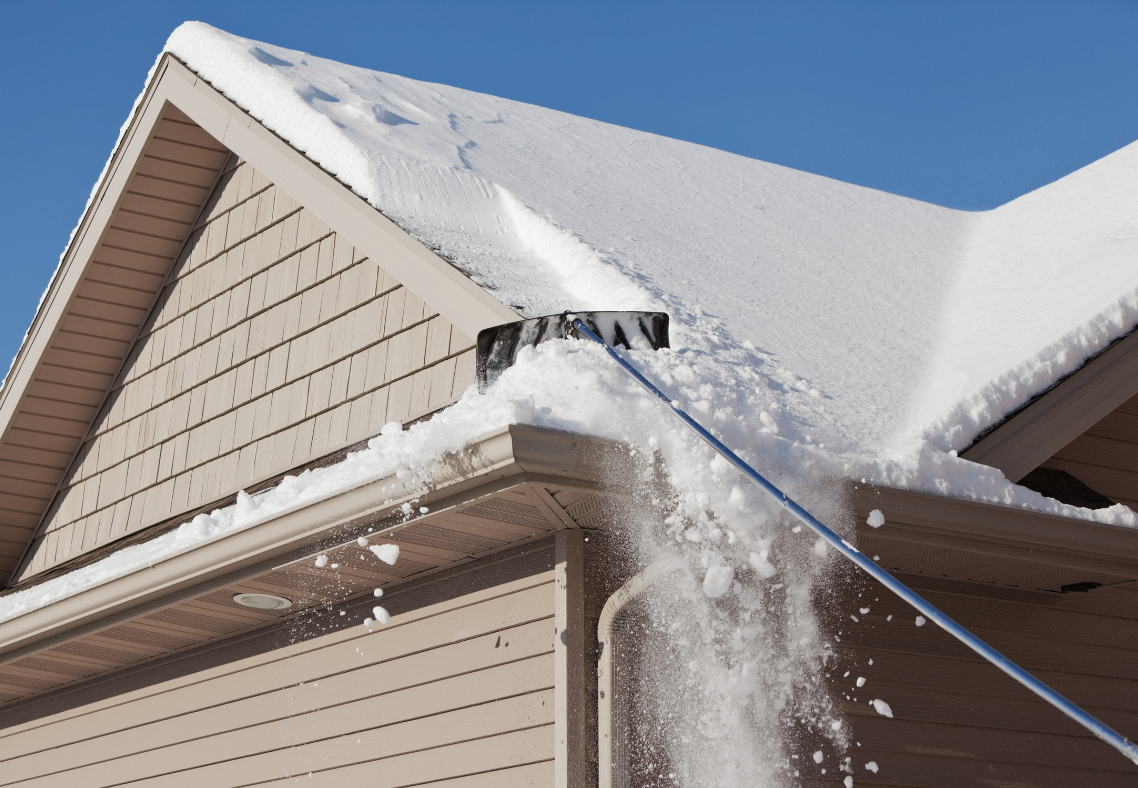
Answeringt The Question: Should I Get A Roof Inspection After A Snowstorm?
Why Snowstorms Matter For Your Roof In Maryland
Maryland’s winters vary from mild to severe, with occasional snowstorms, ice buildup, freezing rain, and heavy wet snow that places extra stress on roofing systems. Even though snow looks beautiful, a heavy snow load places significant weight on your roof that can cause structural stress over time. Wet snow can be especially heavy and add pressure that older roofs may not be prepared to bear. Ice dams are another common culprit. They form when snow on the roof melts and then refreezes at the eaves, creating a ridge of ice that prevents proper drainage. Water then backs up under shingles and can seep into your home’s roof deck and attic area. Ice buildup along the roofline or behind gutters is a sign that conditions are ripe for this type of damage. Checking for these conditions after a snowstorm is sensible, because if they are left unchecked the consequences can go beyond cosmetic issues and lead to rot, water intrusion, or more serious structural concerns.
How Snow And Ice Cause Roof Damage
It helps to understand exactly how snow and ice affect roofing systems so you know what an inspection needs to look for. First heavy snow accumulation adds weight to the roof. Even roofs that are designed to handle seasonal snow can suffer when snow piles up over several storms without melting or sliding off. In severe cases this can cause sagging, weakened decking, or compromised roofing materials. Second, when snow melts and refreezes at the roof edge it can form ice dams. These dams block normal water flow and allow water to seep under shingles or around flashing, which leads to hidden leakage inside attic spaces or ceiling materials. Finally, the repeated freeze-thaw cycle that Maryland winters often produce can cause roofing components to expand and contract, wearing down sealants, loosening fasteners, and making small cracks grow larger over time. All of these mechanisms combine to create scenarios where a snowstorm leaves a roof vulnerable even if there is no immediately obvious damage.
Signs You Should Consider An Inspection After Snow
Some signs of snowstorm impact on your roof are visible from the ground or inside your home, while others may only be found by a trained professional. Here are common indicators that an inspection is warranted:
- Ice buildup along eaves or gutters: If you see thick ice forming along the edges of your roof or behind gutter lines, this can signal ice dam formation. Ice dams block proper drainage and may allow water to back up under roofing materials, which can lead to interior leaks.
- Sagging or uneven rooflines: If portions of the roof or eaves appear to dip or sag after heavy snow, the structure may be under stress. This is a serious sign that professional evaluation is needed right away.
- Gutters pulling away or sagging: Ice and snow can weigh down gutters. If the gutters seem to have shifted or are detached from the roofline, this may suggest concealed roof damage, improper drainage, or weight-related stress.
- Interior water stains or moisture: Dark spots on ceilings, walls, insulation that feels damp, or a musty smell in your attic after a snowstorm are classic signs that water is entering your home. A roof inspection can trace the source and help you prevent further damage.
- Missing, cracked, or lifted shingles: Strong winds, heavy wet snow, ice pressure, and the freeze-thaw cycle can loosen or damage shingles. You might find pieces of shingle granules in gutters or see visibly damaged shingles from the ground.
- Debris on your roof or in your yard: If tree limbs or other debris have fallen onto your roof during the snowstorm, these can puncture roofing material, loosen flashing, or create weak points where water can penetrate.
What You Can Check Safely
After a snowstorm, your first check should be from the ground where you can do so safely. Use binoculars if you have them to look for loose, missing, or curled shingles; ice buildup; sagging rooflines; and detached gutters. You can also inspect your attic for any signs of daylight through the roof boards or moisture on insulation. However climbing on the roof yourself after a snowstorm is not recommended due to slippery conditions and hidden hazards. Professional roofers are trained to evaluate these conditions safely and thoroughly.
Why A Professional Inspection Matters
A professional roof inspection provides a detailed assessment that goes beyond a quick visual check. Roof inspectors know what subtle signs of hidden damage look like, and they use tools and techniques to find issues that are not obvious from the ground or from inside the attic. A trained roof inspector will evaluate roofing materials, look for compromised flashing around chimneys and vents, check for weakened underlayment or decking, and document conditions that may affect insurance claims. In regions like Maryland where snow, ice, rain, and temperature fluctuations are common, these inspections catch vulnerabilities early and help prevent small concerns from becoming major repair projects.
Seasonal Timing And Ongoing Maintenance
Because Maryland’s weather changes frequently, scheduling a roof inspection after a significant snowstorm makes sense, but so does regular seasonal maintenance. Having your roof inspected in the fall before winter arrives gives you the chance to fix minor issues before snow and ice compound them, and a winter or early spring inspection after heavy snow helps confirm that the roof weathered the storm without hidden damage. Regular inspections tailored to seasonal extremes protect your home, improve peace of mind, and can extend the life of your roofing system.
Contact Roof Right For A Roof Inspection In Maryland
If you live in Maryland and a recent snowstorm has passed through your area, contact Roof Right to schedule a professional roof inspection. Our experienced team will safely assess your roof for signs of snow and ice stress, check for shingle damage, evaluate flashing and gutters, and identify any hidden issues that could lead to leaks or structural problems. We will provide a thorough report, explain what we find in clear terms, and recommend the best course of action so you can protect your home. Don’t wait for a small problem to become a big headache. Reach out to Roof Right today to arrange your inspection and ensure your roof remains strong and reliable through Maryland’s winter weather. A professional inspection gives you peace of mind knowing that your home is secure and prepared for the seasons ahead. Contact us now to book your roof check and keep your home protected year-round.
Areas We Serve
If you're looking for a roof contractor in Maryland, give Roof Right a call today at (410)-374-5923 to schedule an appointment!
Carroll County
Howard County
Clarksville, Columbia, Elkridge, Ellicott City, Fulton, Jessup, Laurel, Woodstock
Montgomery County
Baltimore County
Baldwin, Bradshaw, Carney, Cockeysville, Glen Arm, Hunt Valley, Jacksonville, Kingsville, Lutherville, Nottingham, Overlea, Owings Mills, Parkton, Parkville, Perry Hall, Phoenix, Pikesville, Reisterstown, Sparks, Timonium, Towson, White Marsh