
How Can Snow Cause Damage To Siding For Maryland Homeowners
Roof Right: Exterior Home Remodeling Specialists in Maryland Contact UsSchedule A Free EstimateWinter weather in Maryland can be beautiful, but it also comes with hidden risks to your home’s exterior, especially your siding. Snow, ice, freezing rain, and repeated temperature swings combine to create conditions that can wear down or even damage your home’s protective siding materials. While siding is designed to shield your home from the elements, winter brings unique challenges that can compromise its integrity if issues go unnoticed or untreated. In this article we’ll explore how snow can cause damage to siding for Maryland homeowners, what signs to watch out for, and why early attention is essential to protecting your home.
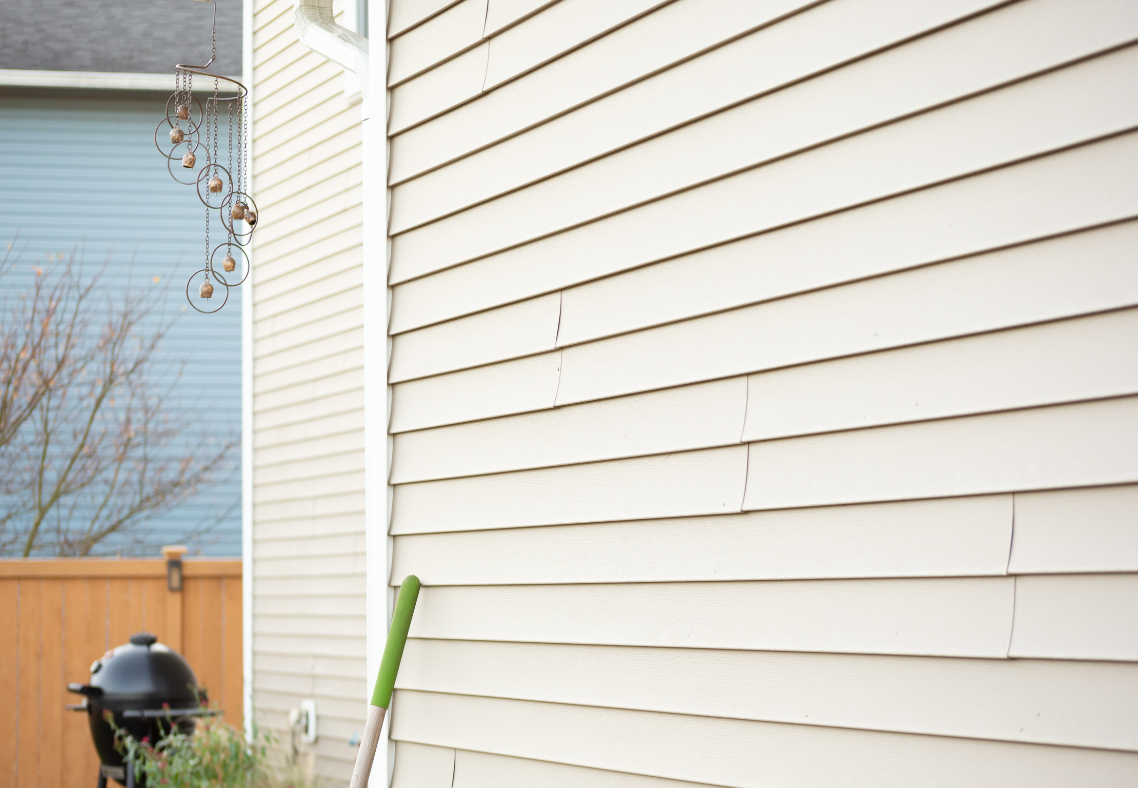
Answering The Question: How Can Snow Cause Damage To Siding For Maryland Homeowners
How Snow And Winter Weather Affect Siding In Maryland
Siding serves as a barrier between your home’s interior and the outside environment, keeping moisture, wind, and temperature extremes at bay. However, winter weather in Maryland puts extraordinary stress on siding materials. Snow accumulation near the base of your siding or on adjacent rooflines can trap moisture against the exterior surface, preventing it from evaporating properly and creating conditions for water infiltration. When moisture gets behind siding panels, it can push into small gaps and, as temperatures fall below freezing, expand and widen these openings. Over time this repeated freezing and thawing causes cracks, fractures, and separation at seams or fasteners.
Ice buildup along roof edges and gutters can also be especially problematic. As ice melts and refreezes, the resulting pressure can force water behind siding panels and under trim. Ice dams created on roofs often extend down over siding as water sheds off the roof, which then refreezes against the siding surface. These conditions increase the likelihood that water will seep through seams or tiny cracks, creating moisture problems that may not show up immediately but can lead to more serious damage over time.
Common Types Of Siding Damage Caused By Snow
Cracks and splits from freeze-thaw cycles
When snow melts during a warm day and refreezes overnight, water trapped in or behind your siding expands as it turns to ice. This repeated cycle puts stress on siding materials and can lead to cracks and splits in vinyl, wood, fiber cement, or other siding types. Over time these cracks can widen, allowing moisture to penetrate deeper into the wall system where it can cause insulation and sheathing damage.
Warping, buckling, and panel distortion
Prolonged snow contact and moisture can cause certain siding materials like vinyl or wood to warp or buckle. Maryland’s winters often include periods where snow remains packed against siding for days at a time, especially near entryways or where drifts form. As moisture saturates the surface and freezes repeatedly, the material can lose its shape or integrity, leading to buckled or undulating panels that no longer lie flat against the home.
Loose or detached siding panels
Ice and snow can expand behind siding and apply pressure outward, loosening fasteners and clips that hold panels in place. Strong winter winds frequently accompany snowstorms in Maryland, which can further loosen or even detach panels that are compromised. Once siding begins to pull away from the wall surface, large openings are created that allow heat to escape, moisture to enter, and pests to find their way inside.
Moisture infiltration and rot
Perhaps the most serious issue snow and ice bring is moisture penetration. Snow melt seeping into gaps or cracks in siding can pass into the sheathing and insulation layers beneath. If this moisture remains trapped, it can lead to wood rot, mold growth, or damage to internal wall structures. Wood siding is particularly vulnerable due to its tendency to absorb water, which leads to swelling, rot, and structural weakening when freeze-thaw cycles are repeated over weeks.
Staining and surface deterioration
Water and debris carried by melting snow can leave stains on your siding surface. Over time this not only impacts curb appeal but is also a visual indicator of deeper moisture issues. Snow runoff laden with dirt or chemicals, such as road salt used near driveways and walkways, can discolor siding and degrade protective finishes or coatings, making the material more susceptible to further weather damage.
Why Maryland’s Winter Climate Makes Siding Vulnerable
Maryland experiences a wide range of winter weather conditions — from occasional heavy snow to freezing rain and fluctuating temperatures. These conditions create frequent freeze-thaw events that are especially damaging because water expands about 9% when it freezes, exerting force on whatever material contains it. Over the course of a winter season, this expansion and contraction cycle can gradually transform tiny cracks into major gaps in your home’s exterior. Additionally, ice dams often form along rooflines when heat escaping from the attic melts snow above the eaves only to have it refreeze below. Water from these ice dams can spill down onto siding, where it seeps into joints and gaps, exacerbating moisture problems that lead to warping, cracking, and panel separation.
Signs Your Siding May Be Damaged From Snow
Maryland homeowners should regularly inspect their siding, especially after significant snowfall or freeze-thaw cycles. Common warning signs of snow damage include:
- Visible cracks or splits in siding panels.
- Warped or buckled sections that no longer lie flat.
- Gaps or loosened panels near seams or corners.
- Dark stains or mildew growth near the base of siding or around windows and doors.
- Soft or spongy areas on wood siding that indicate moisture infiltration.
- Discoloration or peeling paint that signals underlying water damage.
If you notice any of these symptoms, it’s important to have your siding inspected sooner rather than later, because snow-related damage often becomes worse with each successive winter storm or temperature swing.
Preventing Snow Damage To Your Siding
There are several steps Maryland homeowners can take to minimize the impact of snow on their siding:
- Clear snow buildup: Using a snow rake or broom to remove snow from near the base of the house can help prevent prolonged moisture exposure.
- Maintain clean gutters: Properly functioning gutters help ensure meltwater drains away from siding instead of running down the surface.
- Inspect and seal gaps: Before winter arrives, check for small cracks or gaps around windows, doors, and siding seams, and seal them with weather-resistant caulk or foam.
- Ensure proper insulation and ventilation; Reducing attic heat loss can minimize ice dam formation and the resulting water flow onto siding.
Routine seasonal maintenance and early repairs help protect your home from snow-related problems and extend the lifespan of your siding in Maryland’s challenging winter climate.
Long-term Consequences Of Untreated Snow Damage
If snow damage is ignored, it can lead to more than just cosmetic problems. Water infiltration into sheathing can result in mold and mildew growth, which can affect indoor air quality. Structural rot can weaken the framing and insulation of your exterior walls. Large gaps or loose panels allow more uncontrolled air exchange, raising heating costs and reducing comfort. In severe cases, prolonged moisture exposure can require major siding replacement rather than simple repairs.
Contact Roof Right For Siding Repair Services In Maryland
If you live in Maryland and want to protect your home’s exterior from snow and winter weather damage, contact Roof Right for professional siding repair services. Our experienced team can inspect your siding after winter storms, identify hidden moisture damage, and recommend the best repair solutions tailored to your home. We will help you address cracking, warping, moisture infiltration, panel separation and more so your siding remains strong and weather-resistant. Don’t wait until small issues turn into costly repairs, reach out today for a detailed evaluation and prompt service. Let Roof Right help you preserve your home’s appearance, comfort, and structural integrity with expert siding care you can trust.
Areas We Serve
If you're looking for a roof contractor in Maryland, give Roof Right a call today at (410)-374-5923 to schedule an appointment!
Carroll County
Howard County
Clarksville, Columbia, Elkridge, Ellicott City, Fulton, Jessup, Laurel, Woodstock
Montgomery County
Baltimore County
Baldwin, Bradshaw, Carney, Cockeysville, Glen Arm, Hunt Valley, Jacksonville, Kingsville, Lutherville, Nottingham, Overlea, Owings Mills, Parkton, Parkville, Perry Hall, Phoenix, Pikesville, Reisterstown, Sparks, Timonium, Towson, White Marsh